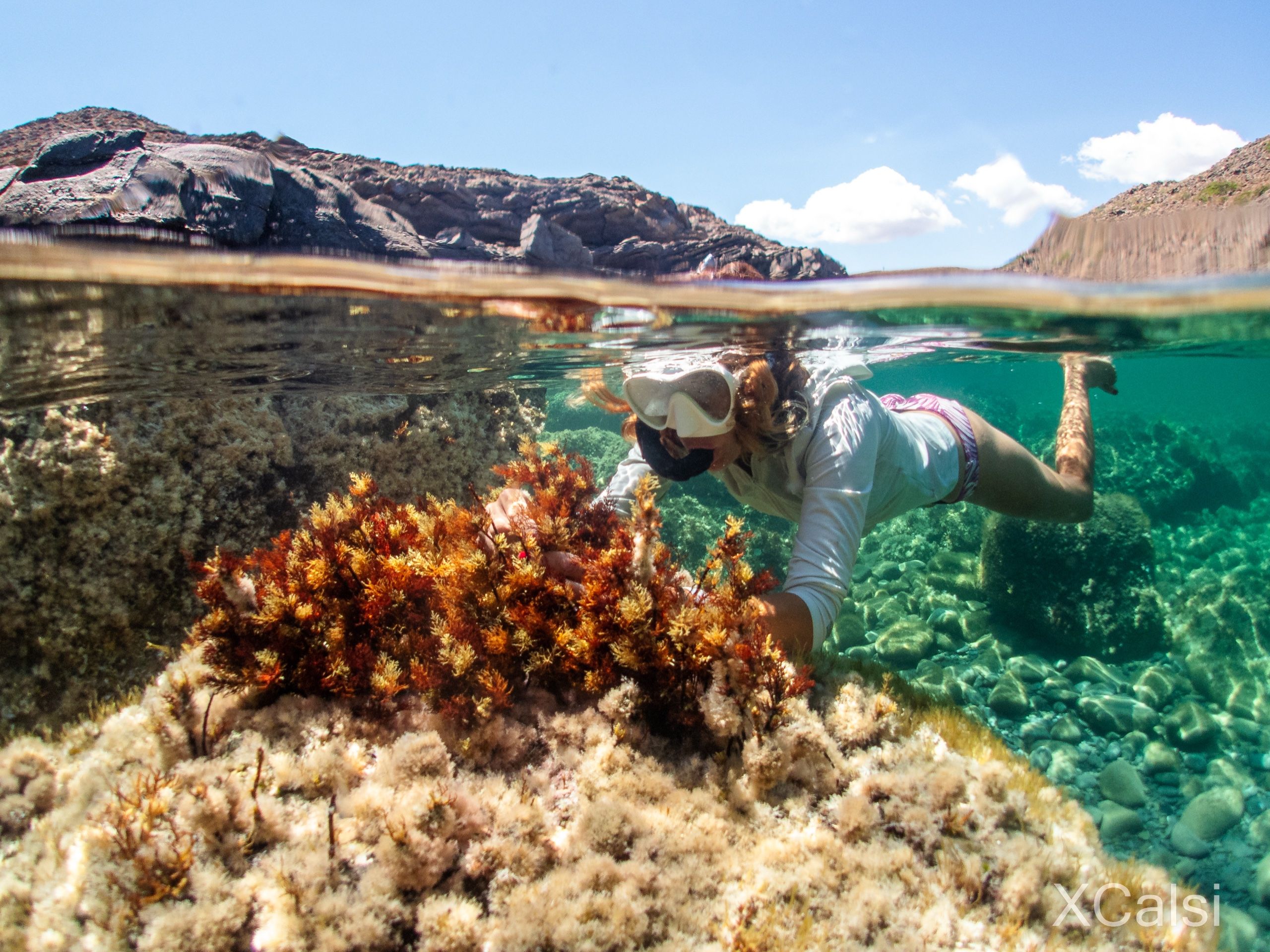
A snorkeller examines a golden-red seaweed on a rocky shore, photographed half above and half below the waterline

EmmaCebrian

Marine ecologist at CEAB-CSIC. Studying how global change reshapes Mediterranean marine forests, and how to bring them back.

About

I am a scientist interested in community ecology, especially in how the drivers of global change are affecting the way marine ecosystems function.

Over the years, my research has moved from describing these ecosystems to running experiments and building models, developing some of the first hypotheses about how disturbed marine habitats function, resist and recover.

Most of my research focuses on the direct and combined effects of major disturbances related to global change, such as pollution and global warming. I am also involved in the study of marine bioinvasions of macroalgae and their impacts on benthic ecosystems.

By better understanding the ongoing threats to marine ecosystems, I can direct my research towards developing and assessing tools for the restoration and conservation of macroalgal communities.
Position
Científica Titular. Head of the Department of Marine Ecology
Research groups
MarineForests, Group leaderMedRecover, Marine Biodiversity Conservation Group
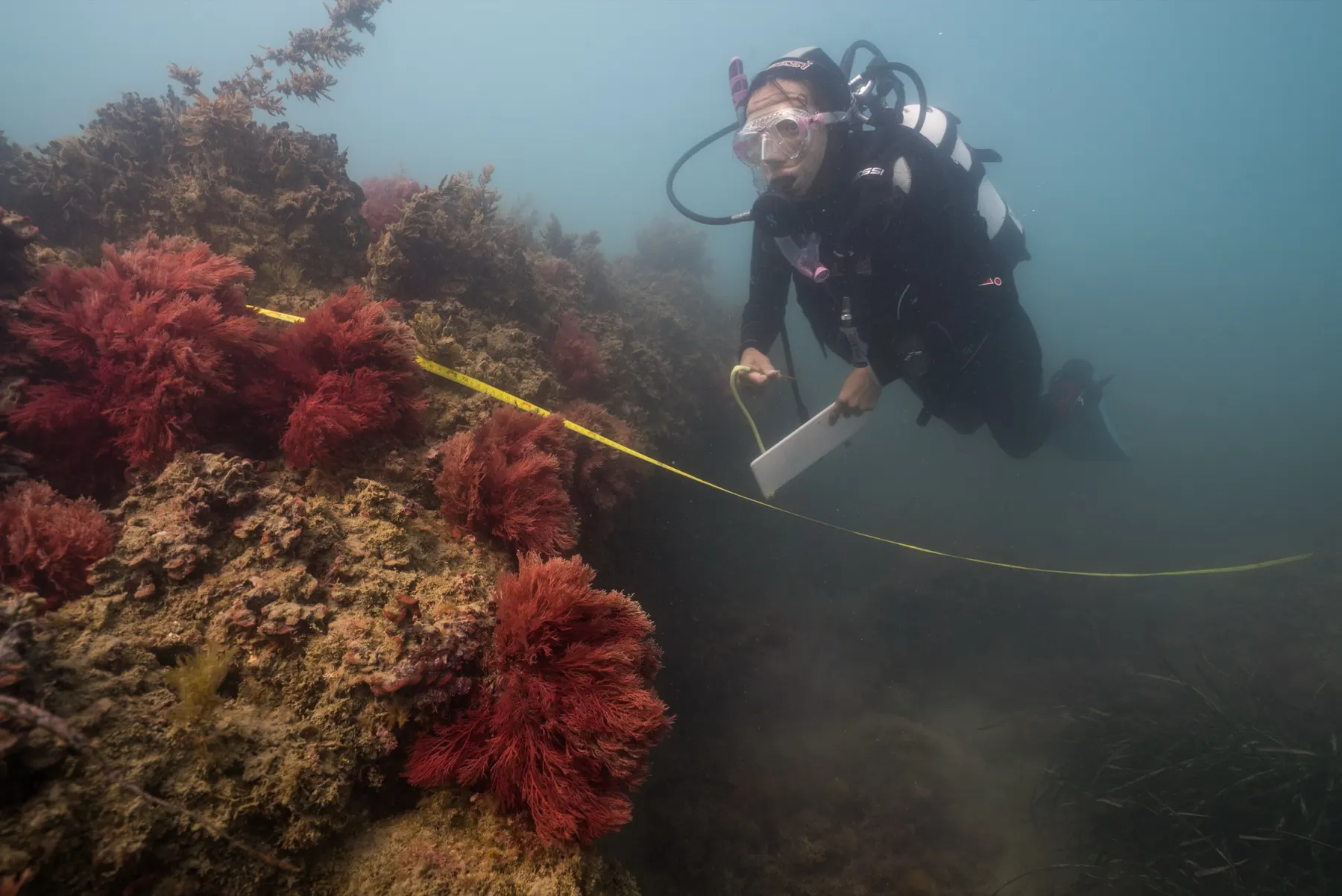
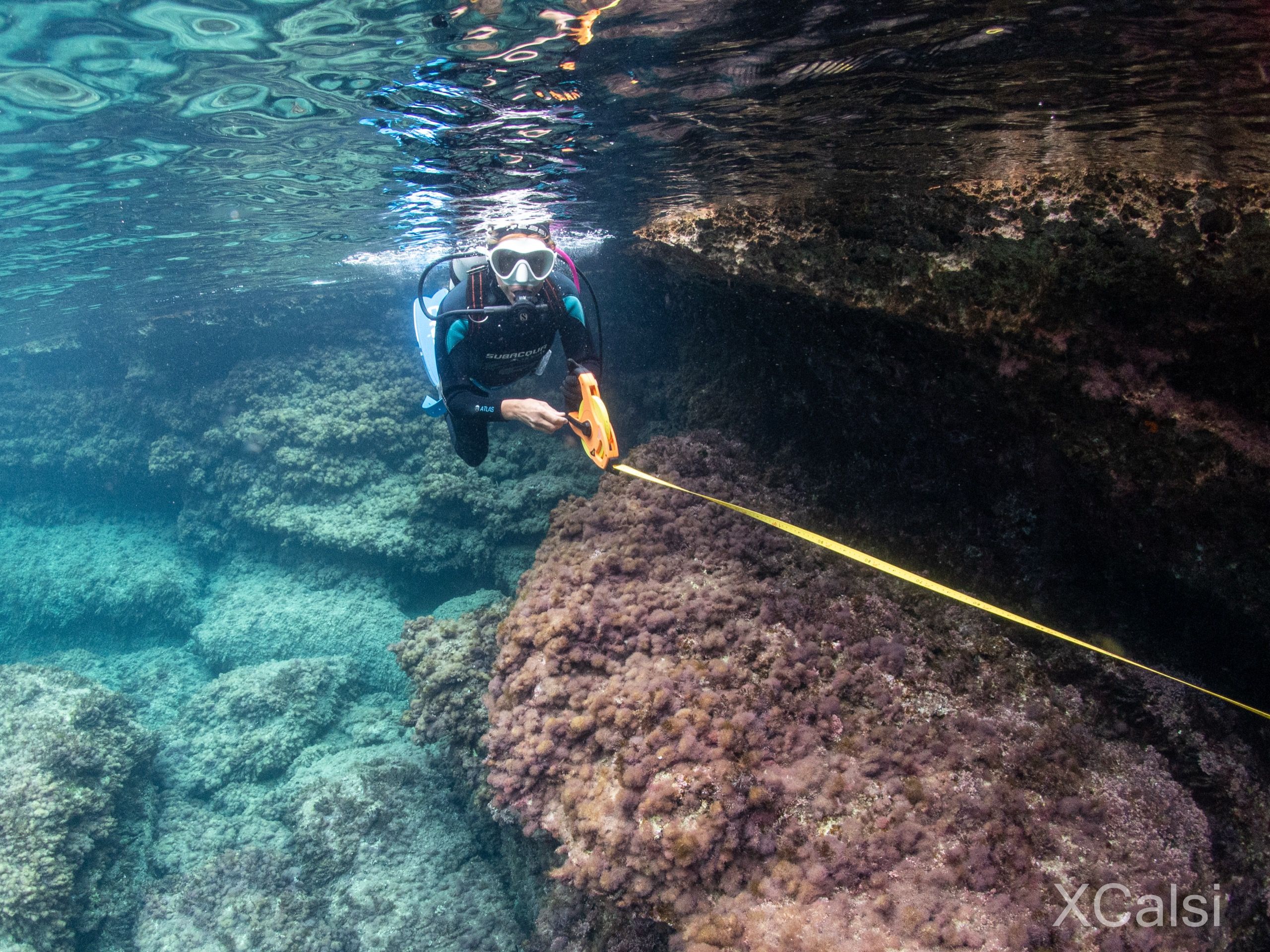
A scuba diver lays out a yellow transect measuring tape along a shallow rocky reef
Menorca, 2021

What I study

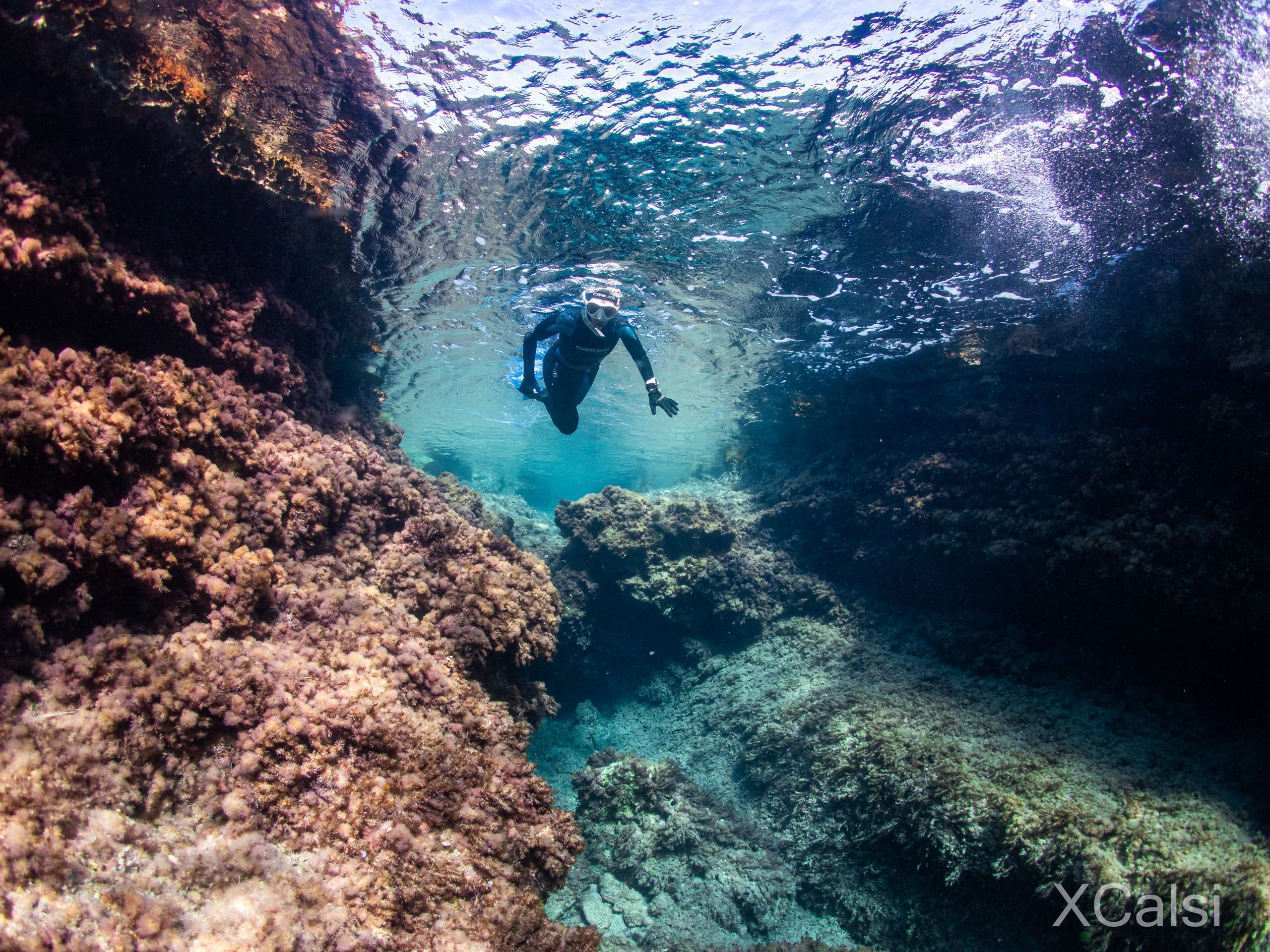
  1. A freediver swims down a narrow rocky channel covered in algae
    Menorca, 2021

    Global change

    How the main drivers of global change, above all warming and pollution, act alone and in combination on the functioning of benthic communities, from shallow marine forests to coralligenous reefs.

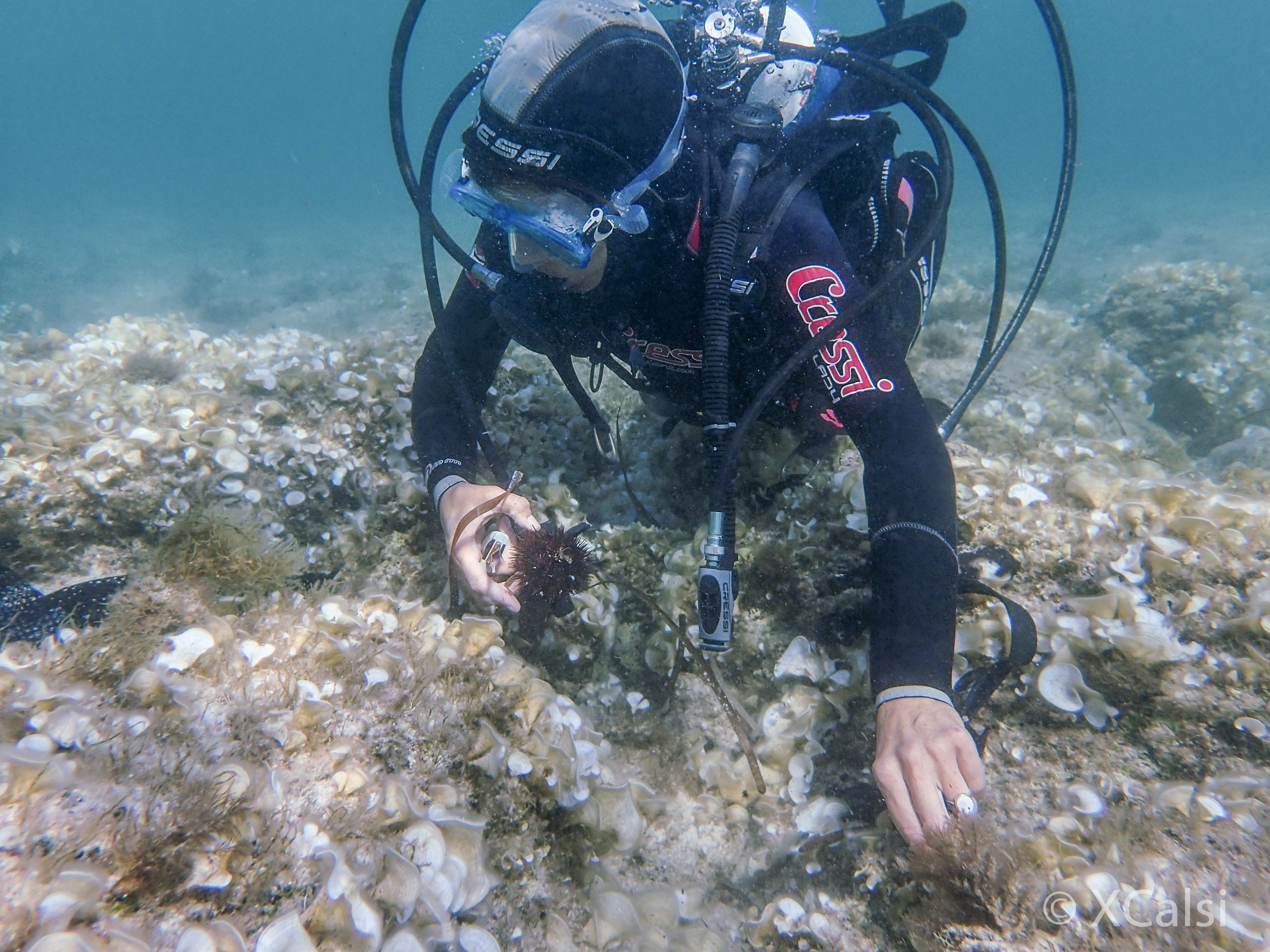
  2. A scuba diver collects a sea urchin from a seabed covered in shells and algae
    Formentera, 2017

    Biological invasions

    Why some introduced macroalgae succeed, what they change in the communities they invade, and how native herbivores and a warming sea shift the balance along the invasion process.

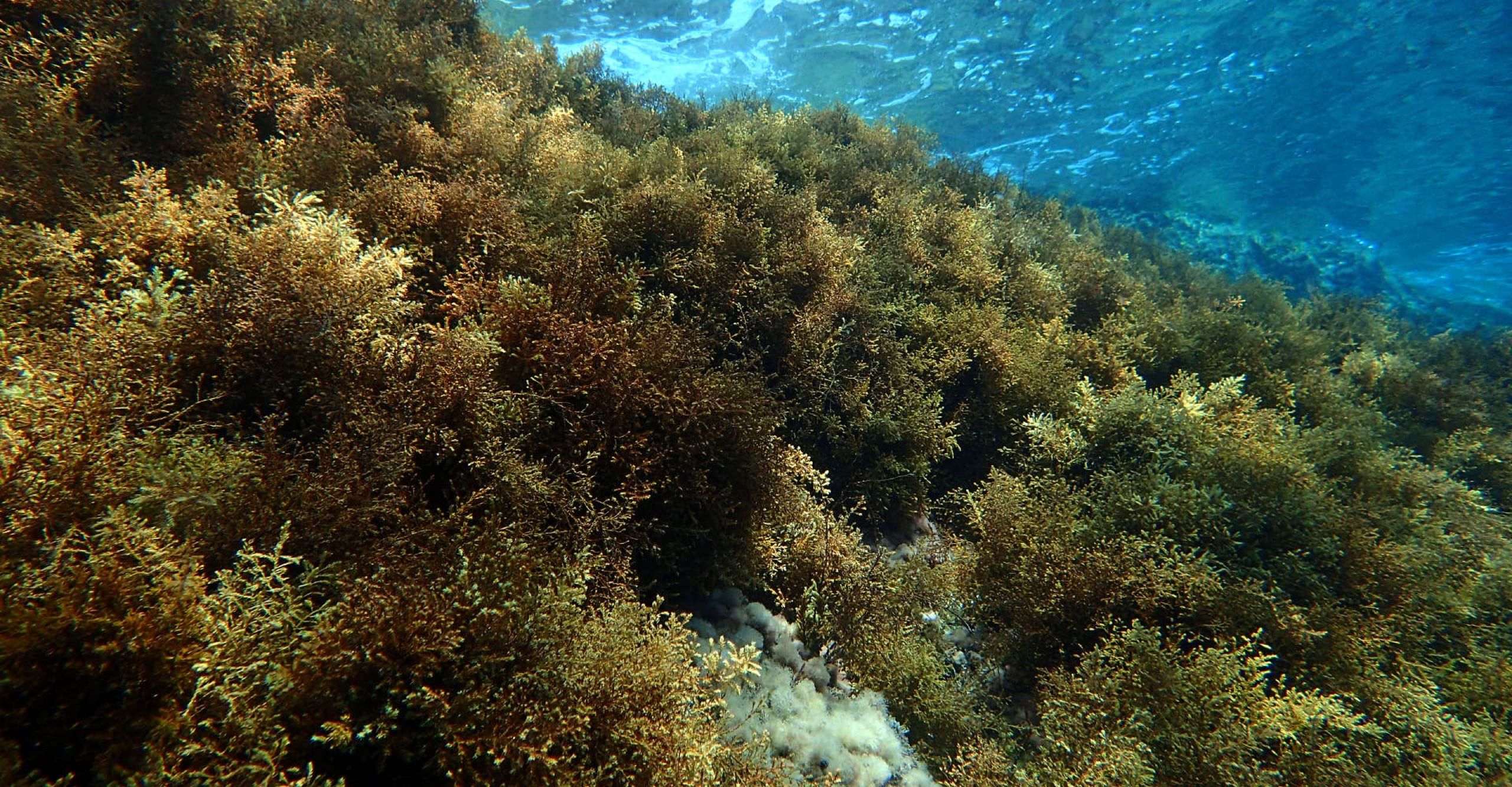
  3. A dense forest of brown Cystoseira seaweed in shallow water
    Mediterranean marine forest

    Conservation and restoration

    Turning what we learn about threats into tools: assessing the state of macroalgal forests, finding the places where they can recover, and restoring the forests that have been lost.

Projects

  1. 2024–2026

    CAMBioMed (external site)

    Coordinated and Adaptive Monitoring of Biodiversity change across Mediterranean rocky ecosystems

    Biodiversa+

    Principal investigator
  2. 2024–2027

    CONBO-MAR (external site)

    Basis for Mediterranean macroalgal forests conservation

    Spanish Ministry of Science, Innovation and Universities (PID2023-150997OB-100)

    Co-principal investigator
  3. 2023–2025

    FORESCUE

    Innovative approaches for rescue and management of algal forests in the Mediterranean Sea

    Biodiversa+ European Biodiversity Partnership

    Principal investigator
  4. 2021–2025

    COASTFRAG (external site)

    Impact of habitat fragmentation and loss on coastal ecosystems

    The Research Council of Norway

    Principal investigator
  5. 2021–2024

    FoRestA (external site)

    Canopy algae forest conservation and restoration. Adaptation to future changing scenarios

    Spanish Ministry of Science and Innovation (PID2020-112985GB-100)

    Principal investigator
  6. 2019–2021

    AFRIMED (external site)

    Algal Forest Restoration in the Mediterranean

    EASME and European Maritime and Fisheries Fund

    Principal investigator
  7. 2016–2019

    ANIMA (external site)

    Alien invasibility in a warming sea

    Spanish Ministry of Economy and Competitiveness, FEDER

    Principal investigator
  8. 2016–2019

    MERCES (external site)

    Marine Ecosystem Restoration in Changing European Seas

    EU Horizon 2020

    Principal investigator (University of Girona partner)
  9. 2012–2015

    CORCLIM (external site)

    Response of the coralligenous community of Cabrera National Park to climate change

    Organismo Autónomo de Parques Nacionales

    Scientific coordinator

In the field

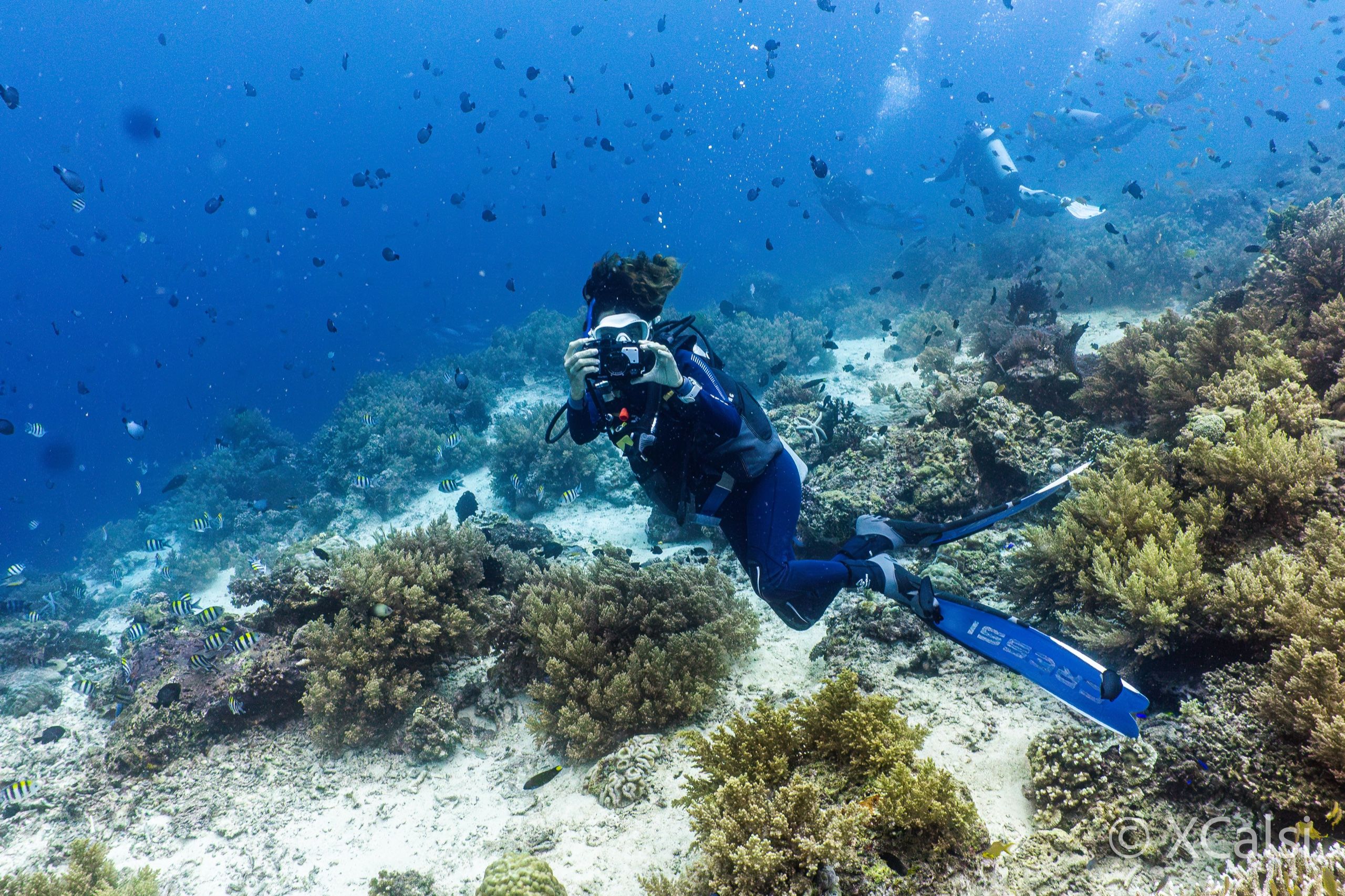
A diver photographs a coral reef surrounded by shoals of fish
Philippines, 2025

National Geographic Pristine Seas

Emma joins Pristine Seas expedition campaigns as an expert in benthic ecology, surveying seafloor communities in some of the most remote and best-preserved places in the ocean.

  • 2026Marshall IslandsMarine biodiversity survey of coral reefs and benthic communities
  • 2025VanuatuMarine biodiversity survey of coral reefs and benthic communities
  • 2024Papua New GuineaMarine biodiversity from shallow to deep, expedition report to the Government of Papua New Guinea
  • 2009Farquhar Atoll, SeychellesMarine ecosystem assessment of a remote atoll in the western Indian Ocean

Research stays

  1. 2024Sunshine Coast, AustraliaUniversity of the Sunshine Coast and UNSW SydneyImpacts of tropicalisation on the functioning of marine forests4 months
  2. 2019Monterey, United StatesHopkins Marine Station, Stanford UniversityInvasibility of exotic species in a changing sea4 months
  3. 2007Marseille, FranceCentre d’Océanologie de Marseille, CNRS (Marie Curie fellowship)Effects of invasive algae and global warming on coralligenous assemblages24 months
  4. 2004Brisbane, AustraliaQueensland MuseumInteractions between herbivores, algae and sponges in coral reef systems4 months

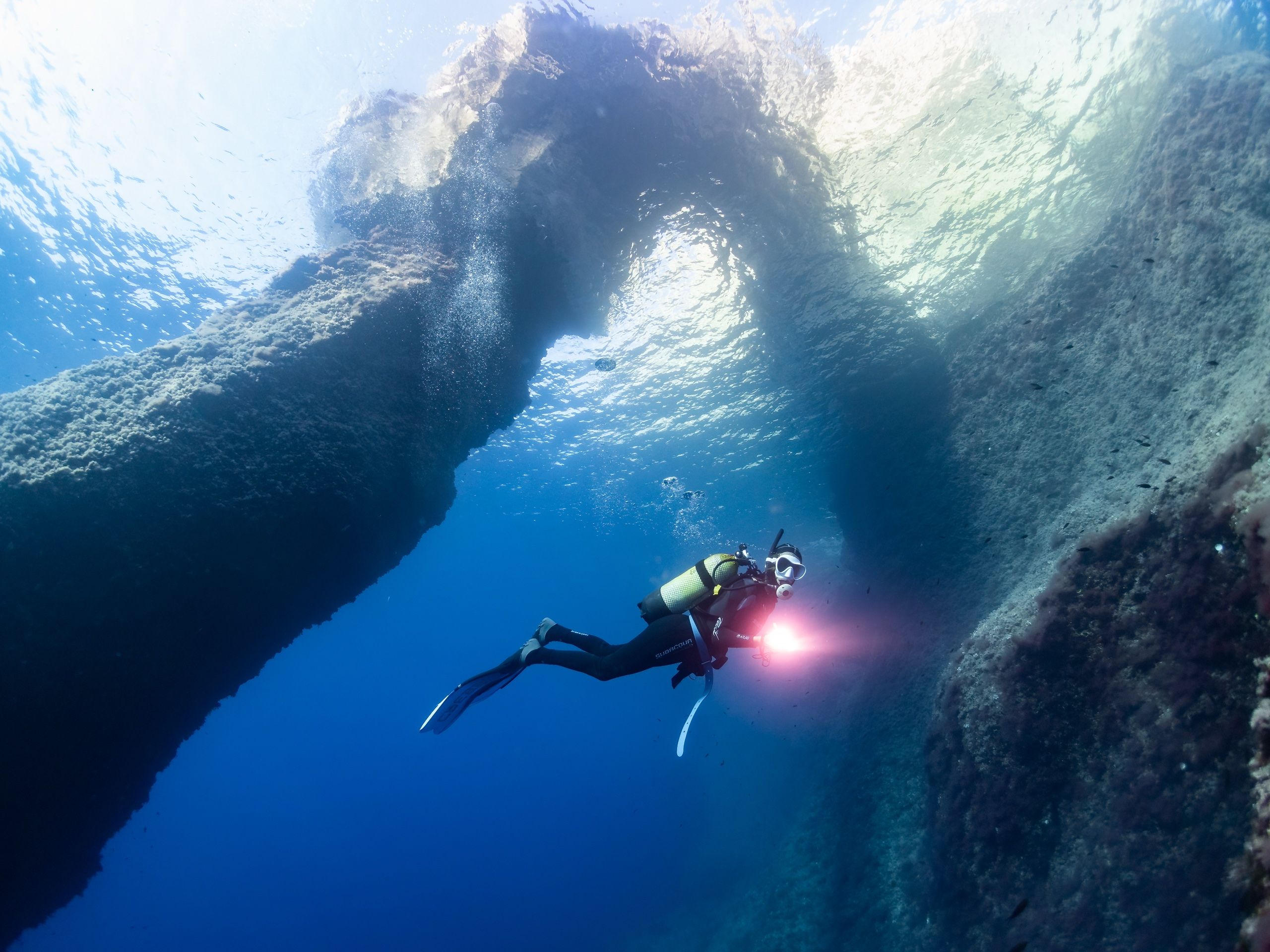
A few metres down, red light is gone.

A diver with a lit torch swims under a huge rock arch in deep blue water

Coralligenous reefs

Among the most diverse and emblematic communities of the Mediterranean, built slowly by calcareous algae in dim light. In Cabrera National Park, the CORCLIM project followed a coralligenous wall at 40 to 45 metres through the mass mortalities caused by marine heatwaves.

At this depth, colour needs a torch.

A diver lays out a yellow transect tape beside bright red algae on a reef
Survey transect

The group

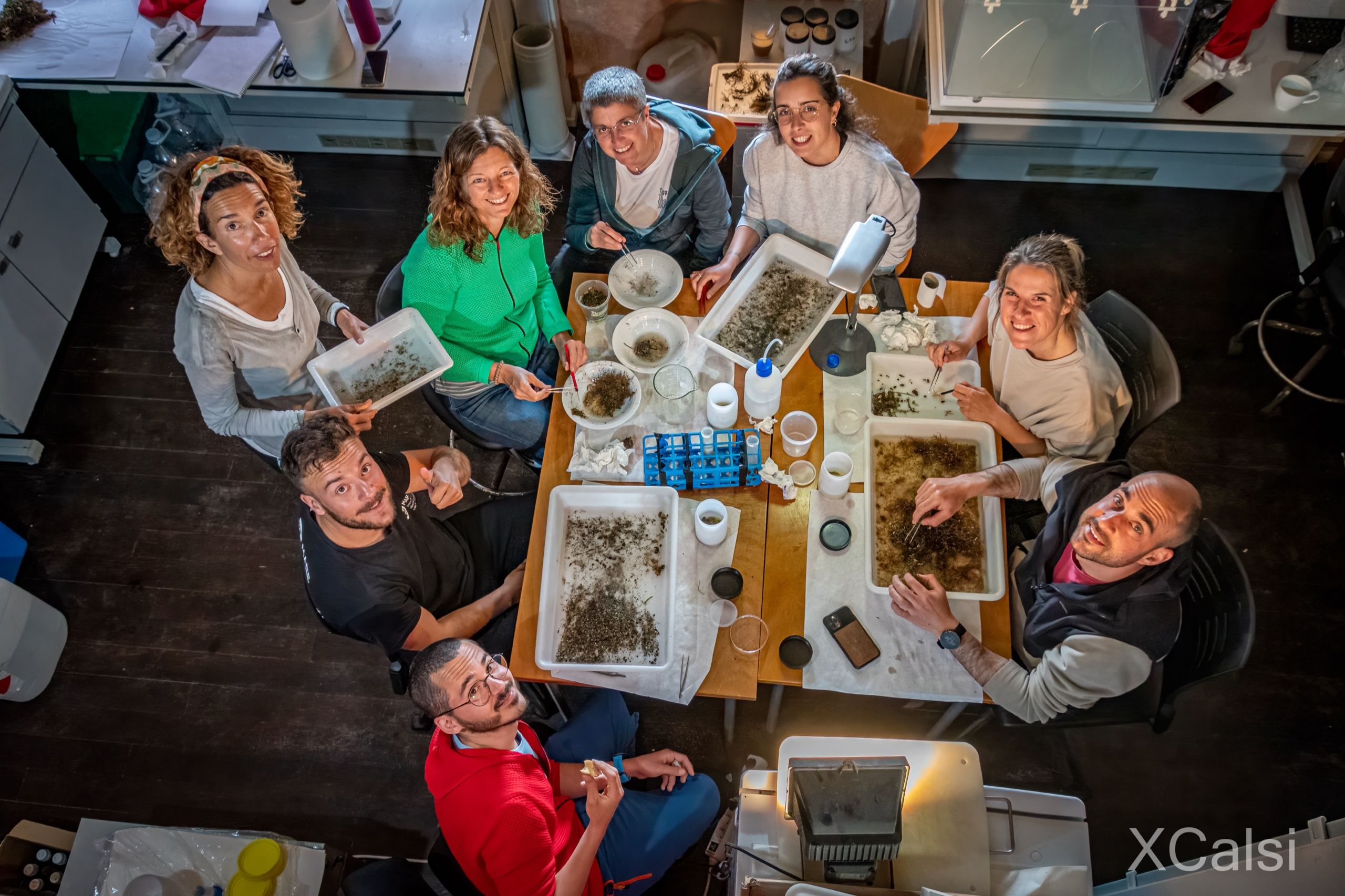
Emma leads MarineForests, a team at CEAB-CSIC and the University of Girona working on the ecology, conservation and restoration of Mediterranean marine forests.

Eight members of the research group sort algae samples in trays around a laboratory table, seen from above
MarineForests group, Menorca, 2022

PhD students

  • Anaïs BarreraHabitat fragmentation in Mediterranean macroalgal forests (CONBO-MAR)
  • Lídia PérezSustainable cultivation of Mediterranean red algae, with Algabrava
  • Lorena CojocResponses of canopy-forming macroalgae to temperature anomalies and pollution
  • Uxue MoredaForests of Laminaria rodriguezii, an endangered deep-water kelp endemic to the Mediterranean

Former PhD students

  • Cristina Galobart (2025)Indicators of restoration success and recovery of function in marine forestsNow: Ramón Areces postdoctoral fellow, Marine Biological Association (UK)
  • Edgar Casas
  • Jana VerduraNow: Lecturer, University of Girona
  • Jorge SantamaríaBiotic and abiotic mechanisms behind invasive success in benthic ecosystemsNow: Co-founder, Algabrava
  • Maria Elena Cefalì
  • Raül GoloNow: Co-founder, Algabrava

Latest publications

All 100 publications
  1. 2025

    Ballesteros† E, De Caralt S, Cebrian E (2025) Back from Presumed Local Extinction: The Case of Sargassum hornschuchii C.Agardh (Fucales: Heterokontophyta) in the Spanish Mediterranean. Cryptogamie, Algologie 46(6). doi:10.5252/cryptogamie-algologie2025v46a6

  2. 2025

    Carlot J, Galobart C, Gómez-Gras D, Santamaría J, Golo R, Sini M, Cebrian E, Gerovasileiou V, Ponti M, Turicchia E, Comeau S, Rilov G, Tamburello L, Pulido Mantas T, Cerrano C, Ledoux JB, Gattuso J-P, Ramirez-Calero S, Millan L, Montefalcone M, Katsanevakis S, Bensoussan N, Garrabou J, Teixidó N (2025) Vulnerability of benthic trait diversity across the Mediterranean Sea following mass mortality events. Nature Communications 16(1): 1571. doi:10.1038/s41467-025-55949-0

  3. 2025

    Galobart C, Sitjà C, de Caralt S, Santamaría J, Vergés A, Boada J, Cebrian E (2025) Oxygen and pH fluxes in shallow bay habitats: Evaluating the effectiveness of a macroalgal forest restoration. Journal of Phycology 61(1): 20-33. doi:10.1111/jpy.13520

  4. 2025

    Galobart C, Zarcero J, Antich A, Turon X, Cebrian E (2025) Metabarcoding identifies macroalgal composition as a driver of benthic invertebrate assemblages in restored habitats. Scientific Reports 15(1): 9817. doi:10.1038/s41598-025-93327-4

  5. 2025

    Magliozzi C, Cardoso AC, Gervasini E, Melone B, Bizzotto EC, Brundu G, Cagnacci F, Cebrian E, Adriaens T, Alves MH, Bartilotti C, Carnevali L, Duarte S, Groom Q, Queiroga RM, Meeus S, Nunes AL, Preda C, Rendón-Hernández E, Vanden Abeele S, Scalera R, Vanhove MPM, Álvaro NV (2025) Aligning EU policies to address biological invasions: assessing invasion impacts across sectors. NeoBiota 102: 295-312. doi:10.3897/neobiota.102.152015